Case study
Zabihah
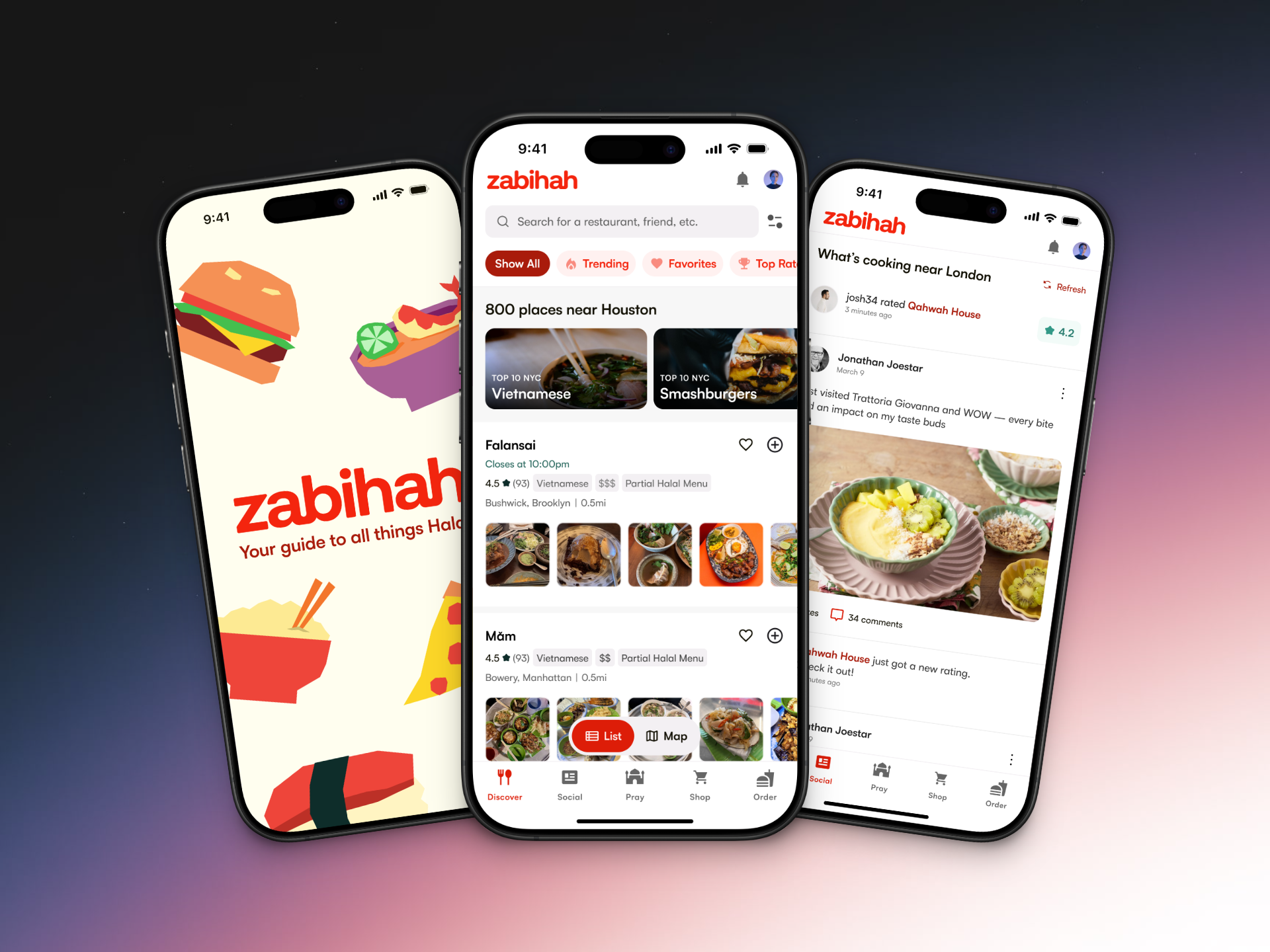
Leading product design for Zabihah's new web, iOS and Android platforms — a halal food discovery brand serving 250,000+ users, later acquired by River.
- Client
- Zabihah
- Industry
- Food & Restaurant Tech
- Role
- Product Designer & UX Lead
- Duration
- Multi-phase platform redesign
- Platforms
- Web, iOS, Android, Shopify
- Tools
- Figma, Swift/UIKit, Kotlin/Jetpack Compose
Overview
I led the product design for Zabihah’s new web, iOS, and Android platforms. Zabihah is one of the largest brands in halal food discovery and serves more than 250,000 users around the world.
The work included redesigning the core restaurant discovery experience, creating new native mobile apps, building a shared design system, and adding ecommerce features. The updated platform helped prepare Zabihah for growth and was later acquired by River, a company valued at over $50 million.
How it all started
It started with a tweet.
At the time, I was working on my other startup called Halal Diners Club with a friend. It was a web app that helped people find halal restaurants near them and try new cuisines. We were gaining early interest, so I posted about it on Twitter and tagged a few investors. I did not expect much. I just wanted more people to see what we were building.
One investor replied.
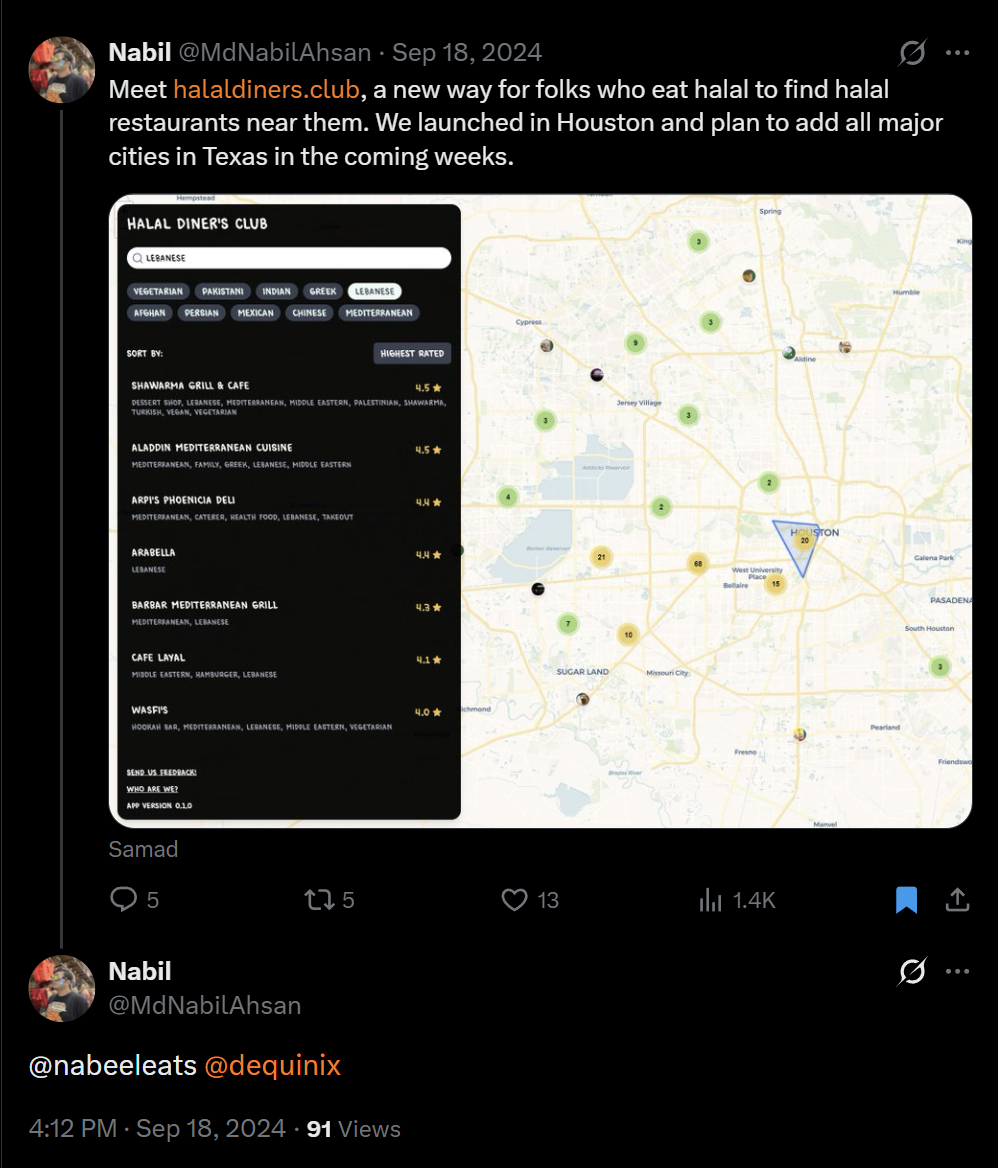
He was an investor in Zabihah, one of the best-known names in halal food discovery. We started talking about how my partner, a development agency, and I work. We shared how we take an idea from early research and design through development and launch. That conversation led to an opportunity to redesign Zabihah and bring the platform up to modern standards.
The challenge
Updating a trusted, but aging product.
Zabihah had built a strong reputation as a halal restaurant guide. However, the product was starting to fall behind.
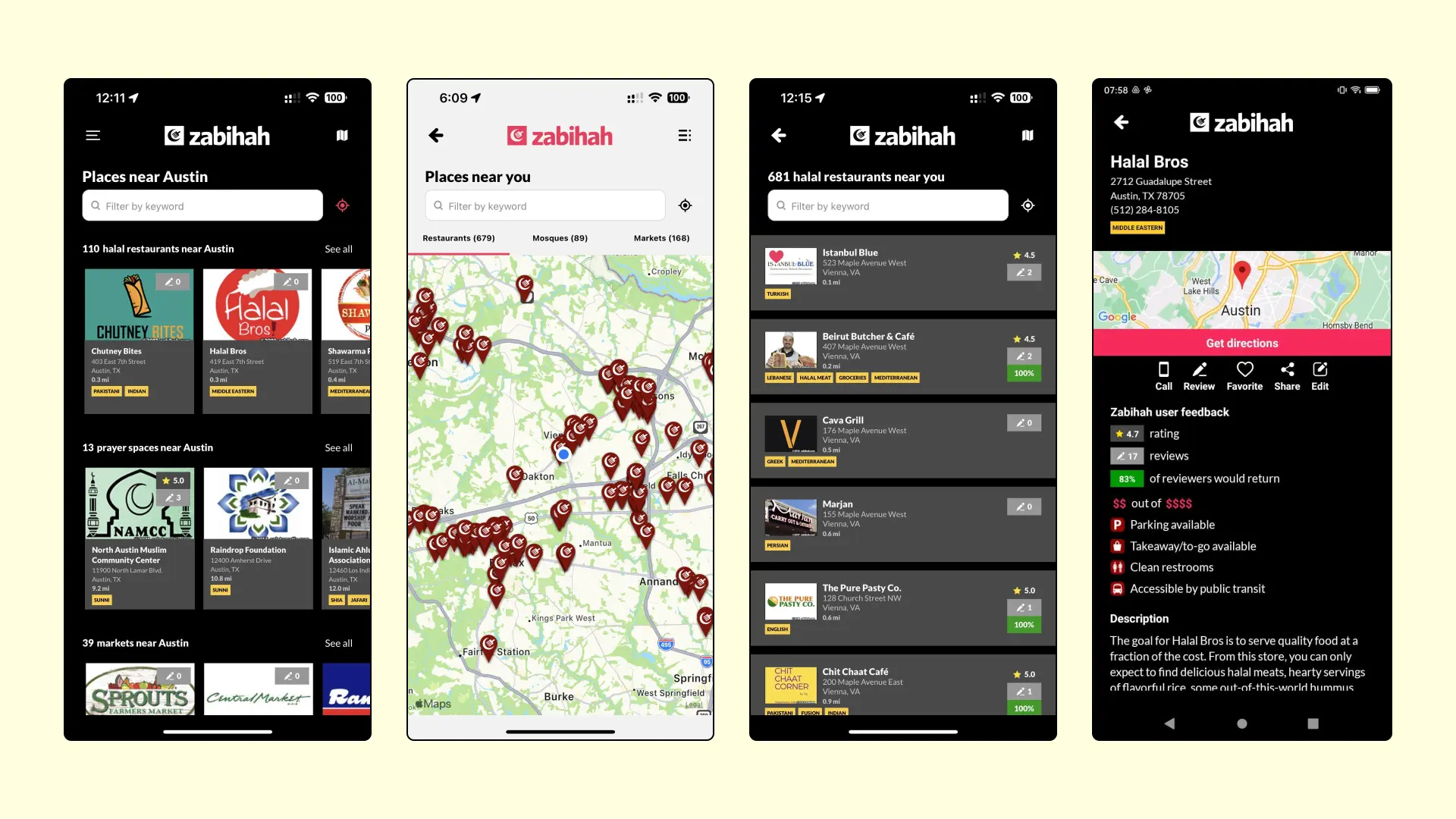
The website looked outdated, the mobile apps were no longer working well, and the overall experience did not match what users expect from a modern food discovery app. Searching for restaurants, viewing details, and moving through the app often felt slow or confusing.
At the same time, the company wanted to add ecommerce. Zabihah planned to sell halal products alongside its restaurant directory through partnerships with food distributors. The challenge was to modernize the main product without losing the trust Zabihah had built over many years. The platform also needed to support food discovery and shopping in a way that felt simple and connected.
- Mobile appsThe existing mobile apps were outdated and unreliable.
- WebsiteThe website experience felt old and hard to use.
- DiscoveryRestaurant discovery needed to be faster and easier.
- CommerceThere was no clear way to support product sales.
- OwnershipProduct and design ownership were moving in-house.
The approach
Understanding the existing product.
I started with a full UX audit of the existing platform. I reviewed key screens, user flows, and interactions across the web and mobile experiences.
I looked for what still worked, what was broken, and where users were likely getting stuck. Since parts of the product had been built over many years, I also had to piece together how features were meant to work and decide what should be kept, improved, or removed.
The goal was not just to make the interface look better. It was to create a stronger foundation that would make future updates easier to design and build.
The solution
A faster web experience.
I redesigned the website around the way people search for food. Users needed to quickly scan restaurants, compare options, look at photos, check hours, read reviews, and decide where to go.
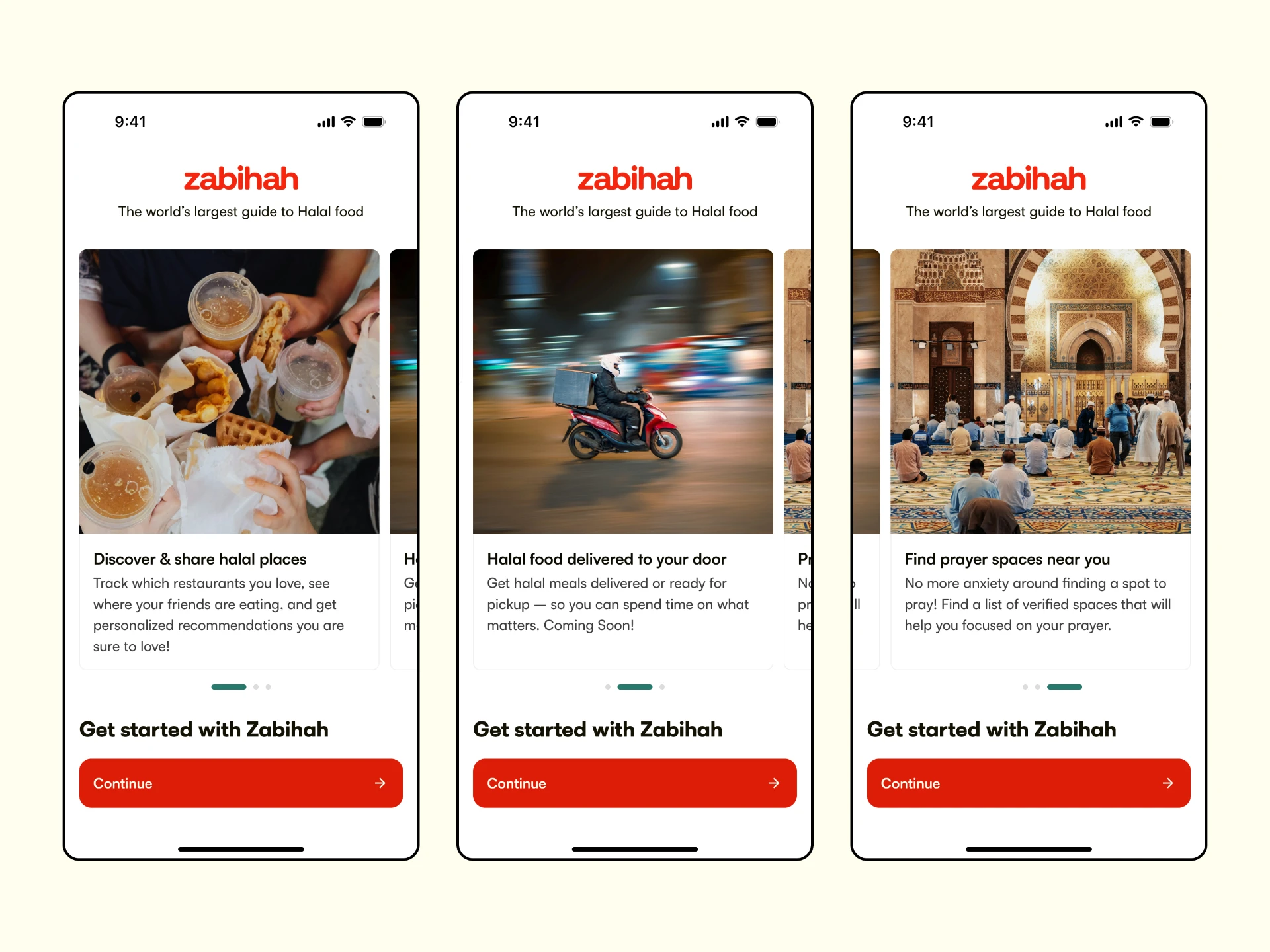
The new web experience focused on restaurant listings, search, filters, maps, and detail pages. It was designed to feel fast and image-focused, since food photos are often a big part of how people choose where to eat.
I also paid close attention to loading states and page stability. Content and images needed to appear quickly, especially on restaurant pages where users are making quick decisions.
Native apps for iOS and Android
Rather than using one generic mobile design across both platforms, I designed native experiences for iOS and Android. Each app followed the navigation and interaction patterns people already expect on their phones. At the same time, both apps shared the same product structure and visual identity.
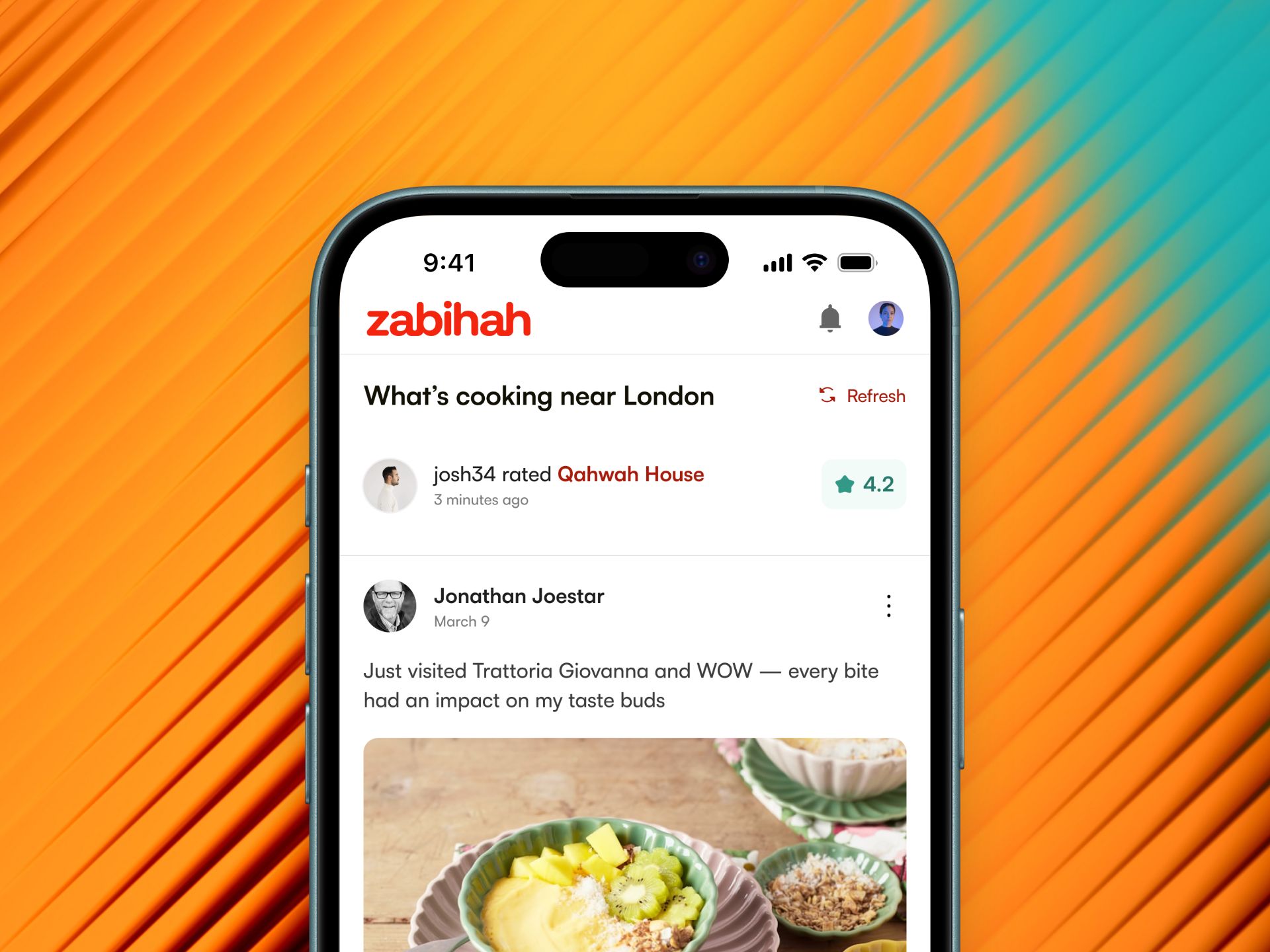
The mobile apps included location-based restaurant discovery, user profiles, saved content, synced data, and push notifications. I also designed a social feed to give users more reasons to return, share recommendations, and discover new places through the community.
The outcome
The redesign gave Zabihah a modern web platform, native iOS and Android apps, and a shared design system that could support new features and ecommerce without adding a lot of operational overhead.
Since then, Zabihah has grown to more than 60,000 halal places and prayer spaces across over 100 countries, with new listings added every week by the community. Over its lifetime, the app has reached more than 750,000 downloads, reinforcing its role as one of the most trusted halal food platforms globally.
In 2025, Zabihah merged with River, a fast-growing fintech infrastructure company focused on compliant cross-border payments. Zabihah now serves as River’s consumer-facing brand and gateway to the halal economy, connecting restaurant and retail discovery with ecommerce, delivery, and halal-compliant money movement.
Next project